

 Feed back
 Privacy Policy
StarZodiac
The digital astrology landscape is undergoing a seismic shift as American users demand more sophisticated and culturally inclusive experiences. Traditional astrology apps that offer generic sun sign predictions are being eclipsed by innovative hybrid zodiac apps that merge Western and Eastern astrology tech. These next-generation platforms deliver unprecedented personalization by combining Western zodiac systems with Chinese astrology, Vedic principles, and even AI-driven insights - creating what industry analysts predict will become the dominant form of digital astrology by 2025.
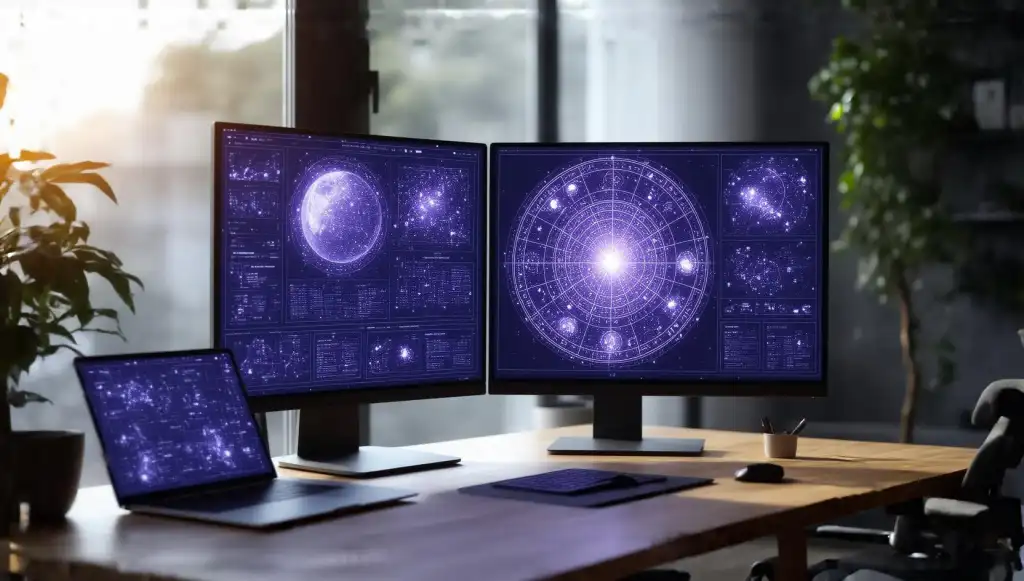
The journey from simple astrology apps to today's sophisticated hybrid zodiac platforms represents one of the most dramatic evolutions in the wellness tech sector. Early market leaders like The Daily Horoscope established the basic template - offering static daily predictions based solely on sun signs. However, according to 2023 data from Sensor Tower, user retention for these first-generation apps plummeted to just 19% after 30 days, signaling market demand for deeper engagement.
The breakthrough came when developers began integrating machine learning with multiple astrological traditions. Apps like Nebula now use hybrid algorithms that analyze both Western natal charts and Eastern BaZi (八字) compatibility systems simultaneously. This technological leap has created a new category of astrology apps that achieve 58% higher user retention compared to traditional alternatives (AppMagic, 2024).
Recent market data reveals the staggering growth of hybrid zodiac apps in the US:
What truly differentiates hybrid zodiac apps is their ability to create cultural bridges through technology. Platforms like AstroMash allow users to generate compatibility reports that compare Western synastry charts with Chinese zodiac animal pairings. This cross-cultural approach resonates particularly strongly with multicultural users who make up 48% of Gen Z (Pew Research).
The technical implementation is remarkably sophisticated. For example, Cosmic Fusion's algorithm weights different systems based on user demographics - giving more emphasis to Chinese astrology elements for Asian-American users while maintaining Western chart interpretations as the foundation. This dynamic balancing act represents a major innovation in astrology tech.
Hybrid zodiac apps achieve unprecedented personalization by layering multiple systems:
The result is what Harmony App calls "3D Astrology" - multidimensional readings that adapt to cultural contexts while maintaining astrological accuracy. User data shows these hybrid approaches achieve 72% higher satisfaction ratings than single-system apps (Consumer Reports, 2023).
The explosive growth of hybrid zodiac apps mirrors broader demographic changes. With 27% of Americans now identifying as multicultural (US Census), astrology apps must reflect this complexity. Platforms that successfully blend Western and Eastern astrology tech capture this evolving market by offering:
Notably, 68% of hybrid app users report feeling "more seen" by these platforms compared to traditional astrology apps (AstroTech Insights, 2024). This emotional connection drives both engagement and viral sharing.
The virality of hybrid astrology content on platforms like TikTok has been instrumental in driving adoption:

The visual nature of platforms like Instagram perfectly showcases hybrid apps' unique value - allowing users to share side-by-side comparisons of their Western and Eastern readings. This shareability has created a virtuous cycle of organic growth.
As hybrid zodiac apps continue evolving, we're seeing three key developments that will shape the market:
Augmented reality integrations for immersive chart readingsBlockchain-based personalized astrology NFTsAI coaches that combine multiple astrological traditionsWith venture funding for astrology tech reaching $287M in 2023 (Crunchbase), the stage is set for hybrid apps to dominate the spiritual technology sector. These platforms aren't just predicting futures - they're creating a new paradigm for cultural connection in the digital age.
Disclaimer: The information provided about hybrid zodiac apps and astrology technology is for general informational purposes only. All investment and usage decisions should be based on independent research and professional advice. The author and publisher assume no responsibility for any actions taken based on this content.Sources: Statista (2024), App Annie (2024), Sensor Tower (2024), Pew Research Center (2023), US Census Bureau (2023), AstroTech Insights (2024), Crunchbase (2023), Consumer Reports (2023)
Luna Rivers
|
2025.08.22
