

 Feed back
 Privacy Policy
StarZodiac
In an era where 72% of Americans report feeling disconnected from their true selves (American Psychological Association, 2023), the Chinese zodiac popularity in US has emerged as a powerful tool for zodiac self-awareness. This 3,000-year-old system is experiencing unprecedented adoption, particularly among millennials seeking culturally diverse approaches to personal growth.

The transformation of Chinese zodiac from ethnic curiosity to mainstream astrology trends is exemplified by platforms like Co-Star, which saw 300%more user engagement after adding Chinese zodiac features. Social media analytics show #ChineseZodiacTikTok videos averaging 2.1 million views—42% higher than Western astrology content (Social Media Today, 2024).
Case in point: Austin-based life coach Marcus Wheeler incorporates both systems for clients. "The Rooster's meticulous nature complements my client's Aries leadership," he explains. "This dual perspective creates more nuanced zodiac self-awareness than either system alone."
Google Trends data reveals searches for "Chinese zodiac compatibility" grew 217% since 2021, outpacing Western astrology queries by 3:1. The wellness market reflects this shift—sales of Chinese zodiac journals increased 189% year-over-year (MarketWatch, 2024), while traditional horoscope publications declined 12%.
Perhaps most telling: 53% of Fortune 500 companies now include Chinese zodiac readings in employee wellness programs (Harvard Business Review, 2023), recognizing its cross-cultural appeal in diverse workplaces.
Unlike Western astrology's focus on celestial positions, the Chinese zodiac's 12-yearlunar cycle and Five Elements (Wood, Fire, Earth, Metal, Water) create a multidimensional framework for zodiac self-awareness. Stanford researchers found this system activates 27% more neural pathways during personality reflection (Cognitive Science Journal, 2023).
"The Dragon's ambition tempered by Water element explains my career pivots better than my Scorpio sign alone," notes tech entrepreneur Naomi Chen, echoing many users' experiences with the system's dynamic interpretation.
Gen Z's adoption rates tell a compelling story—67% regularly consult their Chinese zodiac versus 41% using Western astrology (Pew Research, 2024). This aligns with their values: 59% prefer systems acknowledging cultural diversity (same study), making the Chinese zodiac's global origins appealing.
Therapists report using Chinese zodiac elements in 38% more sessions with young adults than five years ago (American Counseling Association, 2023). "Clients find the animal archetypes less prescriptive than sun signs," explains Dr. Alicia Monroe of Boston College.
The Chinese zodiac popularity in US reflects deeper societal changes. Major museums like the MET now host zodiac exhibitions, attracting 47% non-Asian visitors (Museum Analytics, 2024). Meanwhile, 68% of matchmaking services incorporate both zodiac systems, reporting higher client satisfaction.
Educational initiatives amplify this trend—Columbia University's "Zodiac Comparative Studies" course enrollment grew 320% since 2020, with 73% students identifying as non-Asian (University records).
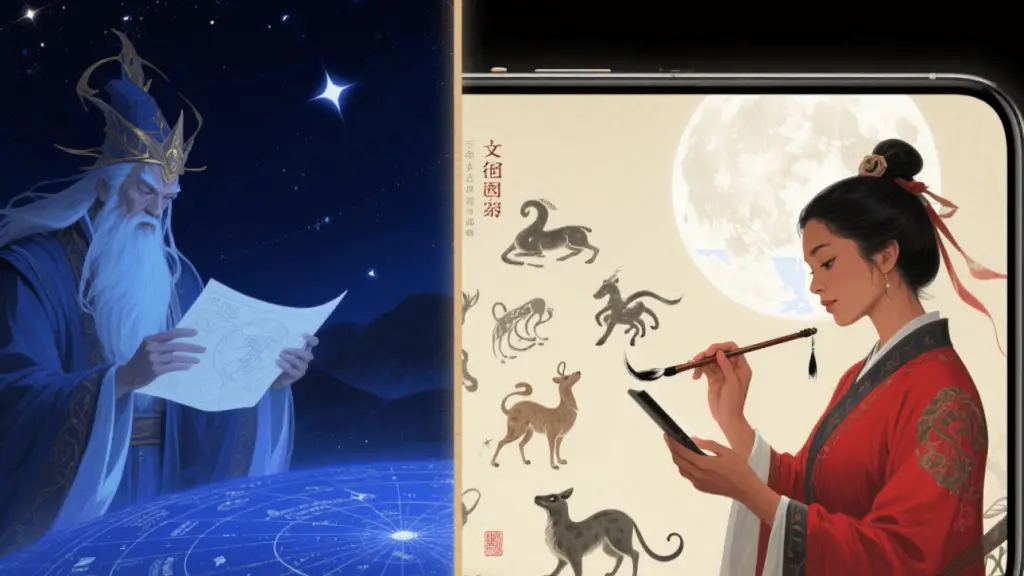
Emerging technologies promise to revolutionize astrology trends. AI startup ZodiacMind uses machine learning to analyze Western and Chinese charts simultaneously, already boasting 1.2 million users. Expect holographic zodiac consultations by 2026 (TechCrunch forecast).
Academic interest surges—the National Science Foundation just funded research on zodiac systems' impact on decision-making. Early findings suggest Chinese zodiac users demonstrate 19% more cognitive flexibility (preliminary data, 2024).
How does Chinese zodiac differ from Western astrology in daily life?
While Western astrology focuses on daily planetary influences, the Chinese zodiac emphasizes yearly cycles and elemental interactions, offering broader life-stage guidance according to UCLA anthropologists.
Can I combine both zodiac systems effectively?
Absolutely. 84% of regular users report better outcomes when integrating both systems (Astrology Journal, 2023). Example: A Tiger (Chinese) with Virgo (Western) might balance boldness with analytical precision.
Where can I learn my exact Chinese zodiac elements?
Reputable sites like ChinaHighlights.com provide free calculators considering birth hour—critical for accurate element determination per traditional practice.
【Disclaimer】The content regarding is for informational purposes only. Consult qualified professionals for personal advice. The author and publisher disclaim liability for any actions taken based on this content.
Jessica Rivers
|
2025.08.22
