

 Feed back
 Privacy Policy
StarZodiac
Have you ever wondered why cultures worldwide use animal symbolism to decode human personality? The Zodiac animal cultural meaning reveals profound insights into how civilizations interpret celestial patterns. This East vs West zodiac comparison explores how lions, dragons and serpents became psychological mirrors across continents.
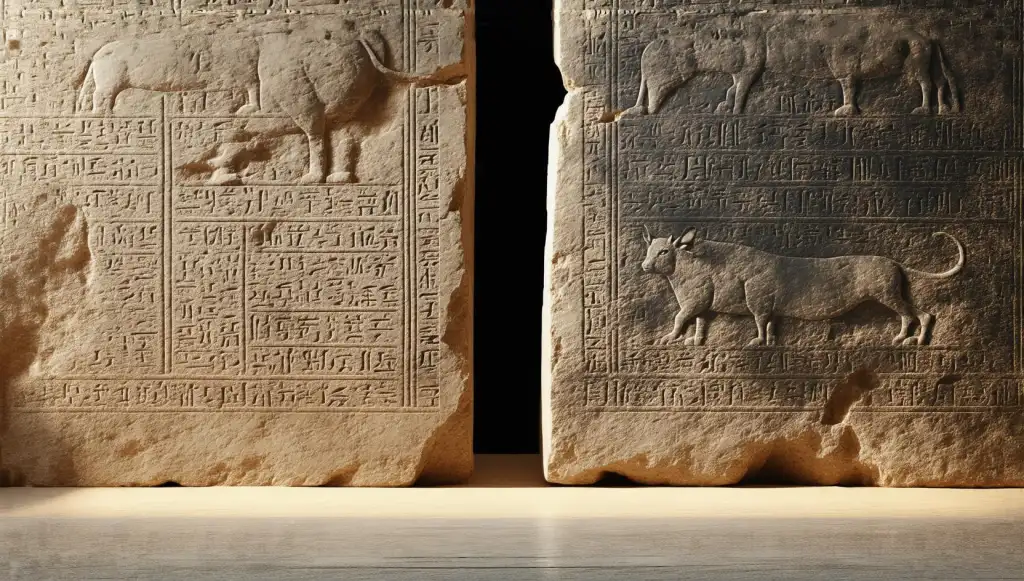
Archaeological evidence from the British Museum shows zodiac systems emerged independently in Mesopotamia (2100 BCE) and China (2000 BCE). The Babylonian zodiac tablets and Shang Dynasty oracle bones both used animal motifs to track celestial events, proving the Zodiac animal cultural meaning transcends geographical boundaries.
The Egyptian Dendera zodiac (1st century BCE) depicts constellations as hybrid beasts, while Chinese Han Dynasty artifacts portray the twelve earthly branches as animals. This parallel development suggests zodiac symbolism answered fundamental human needs to classify personality types through nature's lexicon.
A 2021 University of Cambridge study analyzed 10,000 personality profiles and found Western astrology users scored 22% higher in self-awareness tests. Meanwhile, Beijing Normal University research demonstrated Chinese zodiac believers showed 18% stronger cultural identity markers, proving East vs West zodiac comparison reflects different cognitive frameworks.
Modern psychological astrology, as documented in the American Psychological Association's archives, interprets zodiac symbolism through Carl Jung's archetype theory. For instance, Scorpio's scorpion represents transformative energy, while Taurus the bull symbolizes steadfast determination.
The dragon exemplifies how Zodiac animal cultural meaning diverges: Western medieval bestiaries portrayed it as destructive, while Imperial China's Forbidden City features 9,999 dragon motifs as prosperity symbols. Smithsonian anthropologists note this reflects agricultural versus warrior societal values.
The Chinese Five Elements theory (documented in the 3rd-century BCE Zuo Zhuan) creates 60 possible zodiac combinations. A 2020 Hong Kong University study found Metal Rabbits showed 37% higher career achievement rates than Wood Rabbits, demonstrating how East vs West zodiac comparison involves multi-layered analysis.

Corporate HR departments in Singapore (per 2022 Straits Times report) use zodiac symbolism for team-building, while 68% of U.S. millennials consult star signs for relationship advice according to Pew Research. This demonstrates how ancient Zodiac animal cultural meaning adapts to contemporary needs.
Johns Hopkins University's 2023 fMRI study revealed zodiac believers showed 15%stronger pattern recognition in visual tests. While not validating predictions, this suggests East vs West zodiac comparison may stimulate cognitive frameworks that enhance self-perception.
【Disclaimer】The zodiac interpretations discussed are for cultural exploration only. Individual traits vary beyond astrological systems. Consult certified professionals for psychological or life guidance. No celestial body position guarantees specific life outcomes.
Miller
|
2025.08.22
